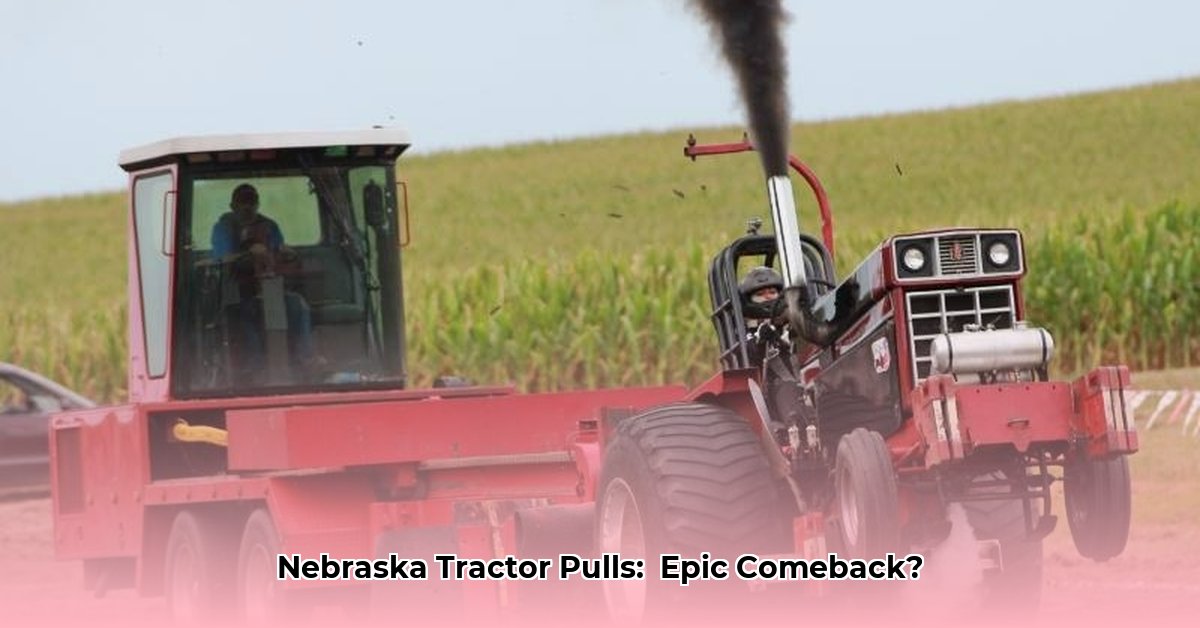
The Nebraska tractor pull scene, a longstanding tradition deeply rooted in the state's agricultural heritage, is experiencing an unusual lull. The Nebraska Bush Pullers, a key player in this vibrant community, have yet to announce a 2025 schedule, leaving fans and stakeholders wondering about the future of this beloved pastime. This absence isn't simply a scheduling oversight; it presents an opportunity for strategic re-evaluation and a robust revival plan. This analysis explores potential causes for the current inactivity, drawing comparisons with similar organizations and offering actionable steps to reignite the passion for Nebraska tractor pulls. For national schedules, check out the National Tractor Pulls.
A Silent Season: Unraveling the Mystery
The noticeable lack of scheduled Nebraska tractor pulls for 2025 raises significant concerns. Beyond the immediate disappointment of missed events, this silence impacts sponsors, drivers, spectators, and local economies that typically benefit from the economic activity generated by these large-scale gatherings. Why the quiet? Several interconnected factors merit consideration: escalating event costs, declining participation rates, increased logistical complexities, and a potential lack of innovation within the event format itself.
Why is assessing these factors so critical? It's analogous to diagnosing soil health before planting a crop. Addressing underlying issues is paramount to achieving a successful and sustainable revival. What's the root cause of Nebraska's tractor pulling hibernation? Is it a confluence of factors, or a singular critical issue?
Deconstructing the Challenges: A Deeper Dive
Several interconnected challenges may be contributing to the current situation. These include, but are not limited to:
Economic Pressures: The substantial costs associated with hosting major tractor pull events—securing venues, providing amenities, insurance, advertising, and other logistical necessities—have undoubtedly increased. This rising financial burden may make it difficult for organizers to achieve profitability or even break even. Has the cost of competition outweighed the reward for many potential participants?
Declining Participation: A decline in the number of active participants could be influencing the scheduling decisions. The loss of younger competitors, changing interests, economic challenges, and a potential decline in hobbyist participation may all play a role. How can we reinvigorate interest in the sport among younger generations?
Logistical Hurdles: Finding appropriate venues, coordinating complex schedules, obtaining the necessary permits, and managing the logistics of a large-scale event, all contribute to organizational challenges. These complex logistical hurdles may outweigh the perceived rewards for organizers. This complexity could be lessened with better planning and infrastructure.
Lack of Innovation: The potential for event staleness also needs careful consideration. Repeatedly using the same event format risks audience fatigue. Improving the existing event format could involve updating the presentation and improving the overall spectator experience. Are we offering enough to retain and attract new participants?
Charting a Course for Revival: A Two-Phased Approach
The path to revitalizing Nebraska tractor pulls requires a comprehensive, multi-phased strategy encompassing both immediate actions and longer-term growth initiatives. A combination of short-term tactical adjustments and long-term strategic planning is key to a successful revival. How can we blend these approaches to optimize results?
Short-Term Action Plan (1-Year Horizon):
Conduct Thorough Market Research: A detailed analysis of successful tractor pull organizations in neighboring states and regions is critical. What innovative practices have yielded success? Where are the opportunities for improvement and adaptation?
Implement Targeted Marketing and Advertising: Focus marketing efforts on reaching potential competitors and securing new sponsorships. Identify key communities and use strategic communication to engage them.
Streamline Event Planning: Prioritize a smaller number of high-quality events rather than spreading resources thinly. Optimized event scheduling and execution improve efficiency and spectator satisfaction.
Increase Community Engagement: Foster partnerships with local businesses, schools, and agricultural organizations to promote events and strengthen community ties.
Long-Term Growth Strategy (3-5 Year Horizon):
Diversify Revenue Streams: Explore alternative revenue sources, including merchandise sales, targeted sponsorships from agricultural businesses, and potentially organizing related ancillary events.
Introduce Fresh Perspectives: Inject new energy by incorporating updated competitive formats, new tractor classes, themed events, or entertainment options appealing to a broader audience.
Develop a Robust Digital Strategy: Create a user-friendly website and utilize social media engagement to build a stronger online community and increase reach.
Collective Action: A Shared Responsibility
Restoring Nebraska's tractor pull tradition demands a collaborative effort. The Nebraska Bush Pullers, competitors, sponsors, spectators, and local communities all play crucial roles in this revival. The current challenge is not just an opportunity for restoration but a chance for reinvention. Through concerted action and strategic planning, the roar of the tractors will return with renewed vigor. The collaborative spirit will define the success of this endeavor.
Tractor Pulls In Nebraska
Content about tractor pulls in nebraska (Auto-generated fallback due to API error).
Tractor Pulls In Nebraska
Content about tractor pulls in nebraska (Auto-generated fallback due to API error).